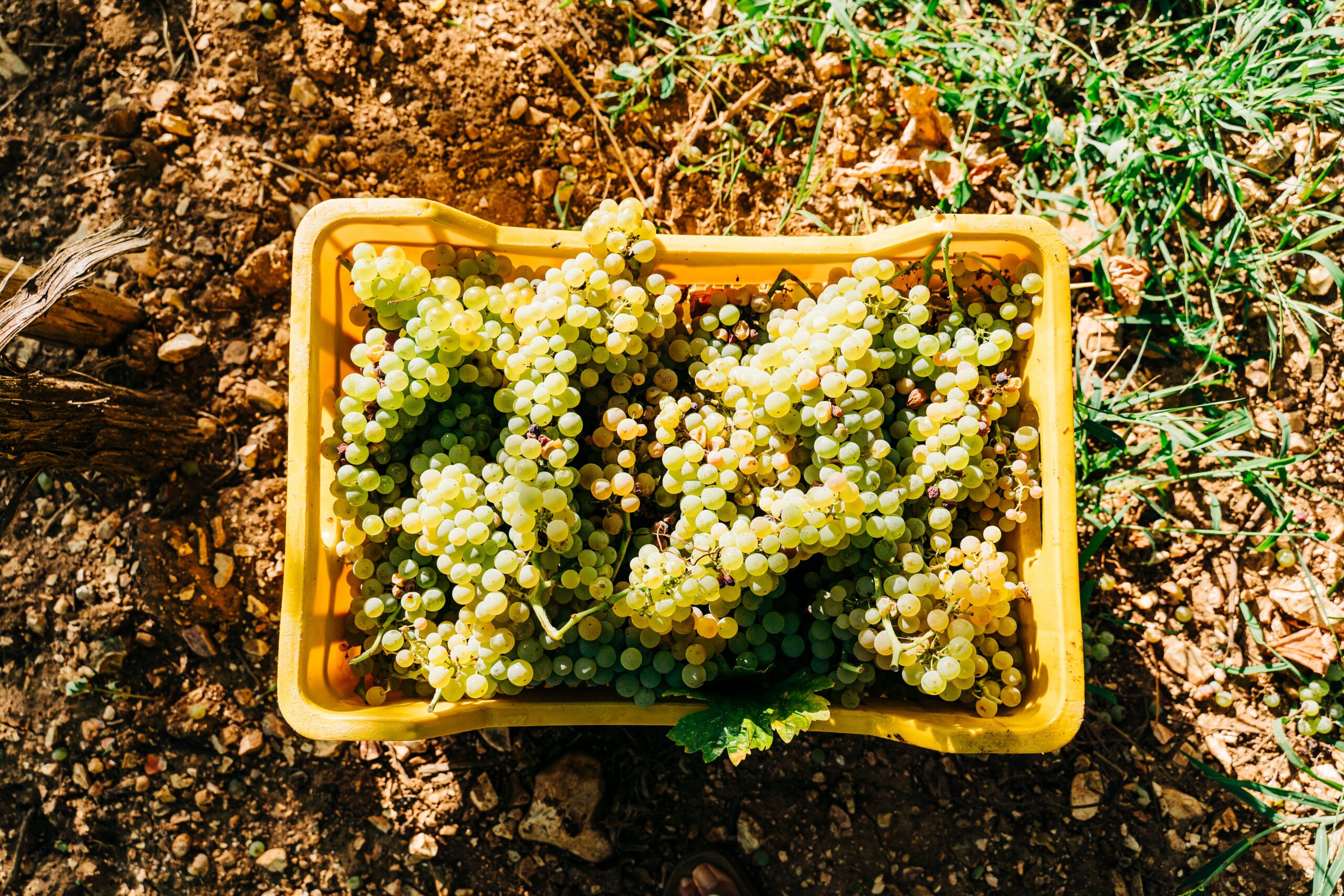
As the anticipation builds for the impending 2023 wine grape harvest spanning January to April, the latest prediction from viticulturists and producer cellars points towards a smaller yield compared to both the 2022 harvest and the three preceding estimates unveiled during this year’s harvest season.
“While the upcoming harvest is expected to be smaller than that of 2022, winemakers and viticulturists are aligned in their belief that the exceptional quality of the grapes holds the promise of producing exceptional wines,” stated Conrad Schutte, the manager of the Vinpro viticulturist team, responsible for issuing the crop estimate in collaboration with industry body SAWIS.
The lead-up to this season witnessed a warm and dry winter that deviated from the norm, with heightened temperatures observed across all wine-producing regions. The rainfall, apart from the Northern Cape, was notably diminished. Budding commenced earlier and demonstrated satisfactory uniformity. Although robust growth fueled by optimal photosynthesis and drier soil conditions had a negative impact on fruit set in certain areas, a ray of hope emerged as heavy rains graced the scene during the initial week of December. This precipitation provided much-needed relief from the prevailing hot and dry conditions, mitigating the irrigation scheduling pressure but also inviting heightened fungal disease challenges, primarily powdery and downy mildew.
Given the expansive geographical span of the South African wine industry, encompassing diverse climates and terrains, the harvest’s scale is profoundly influenced. In each of the three prior 2023 crop estimates, with the exception of the Klein-Karoo region, all areas projected a lower yield compared to 2022. However, this recent estimate underscores a uniform decrease in all regions, signaling a reduction in yield compared to the total output of 2022.
This decline is attributed to a range of challenges encountered by South African wine grape producers, including the impact of Eskom load shedding, which disrupted electricity supply in intensive irrigation zones, affecting irrigation pumps’ functionality. Coupled with the arid winter and spring conditions, this confluence led to diminished berry sizes and overall harvest weights. As the later-ripening varieties such as Cabernet Sauvignon and Colombar are presently being harvested, the repercussions of poor fruit set are evident through lighter bunch weights. Additionally, the removal of vineyards, particularly in the Northern Cape, Olifants River, and Swartland regions, contributed to a contraction in the industry’s total vineyard area. The presence of rain showers during the ripening phase, especially the substantial downpours experienced in the initial and second week of March, posed further complications.
“In the upcoming weeks, the climate will play a pivotal role and can still influence the crop size. It is now imperative to manage the fruit zones judiciously to facilitate optimal air and light circulation during these testing conditions characterized by heightened disease pressure,” Schutte emphasized.
Anticipate the release of the fifth crop estimate from viticulturists and producer cellars in May, shedding further light on the evolving harvest outlook.